Select the date and time

























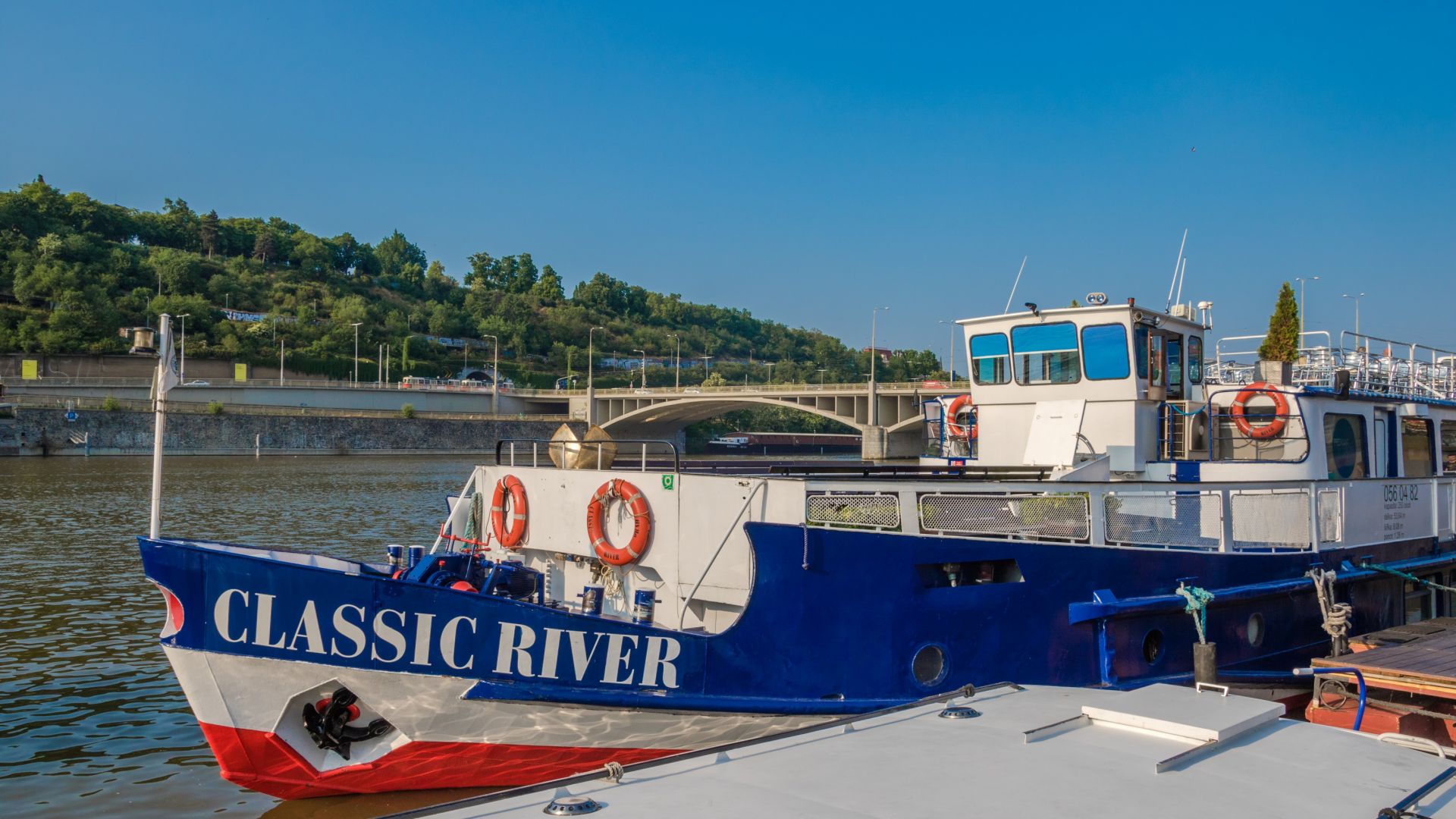
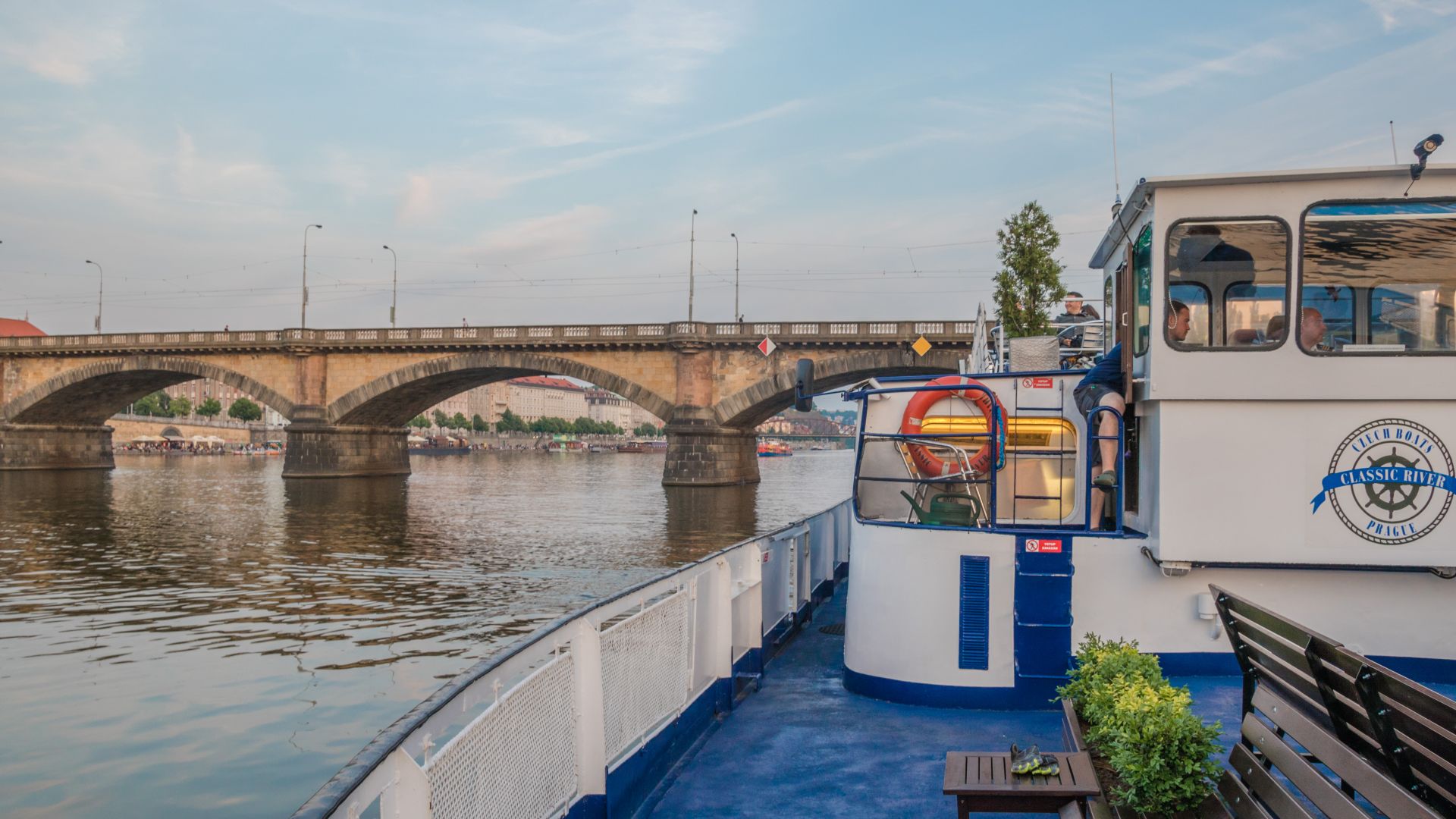
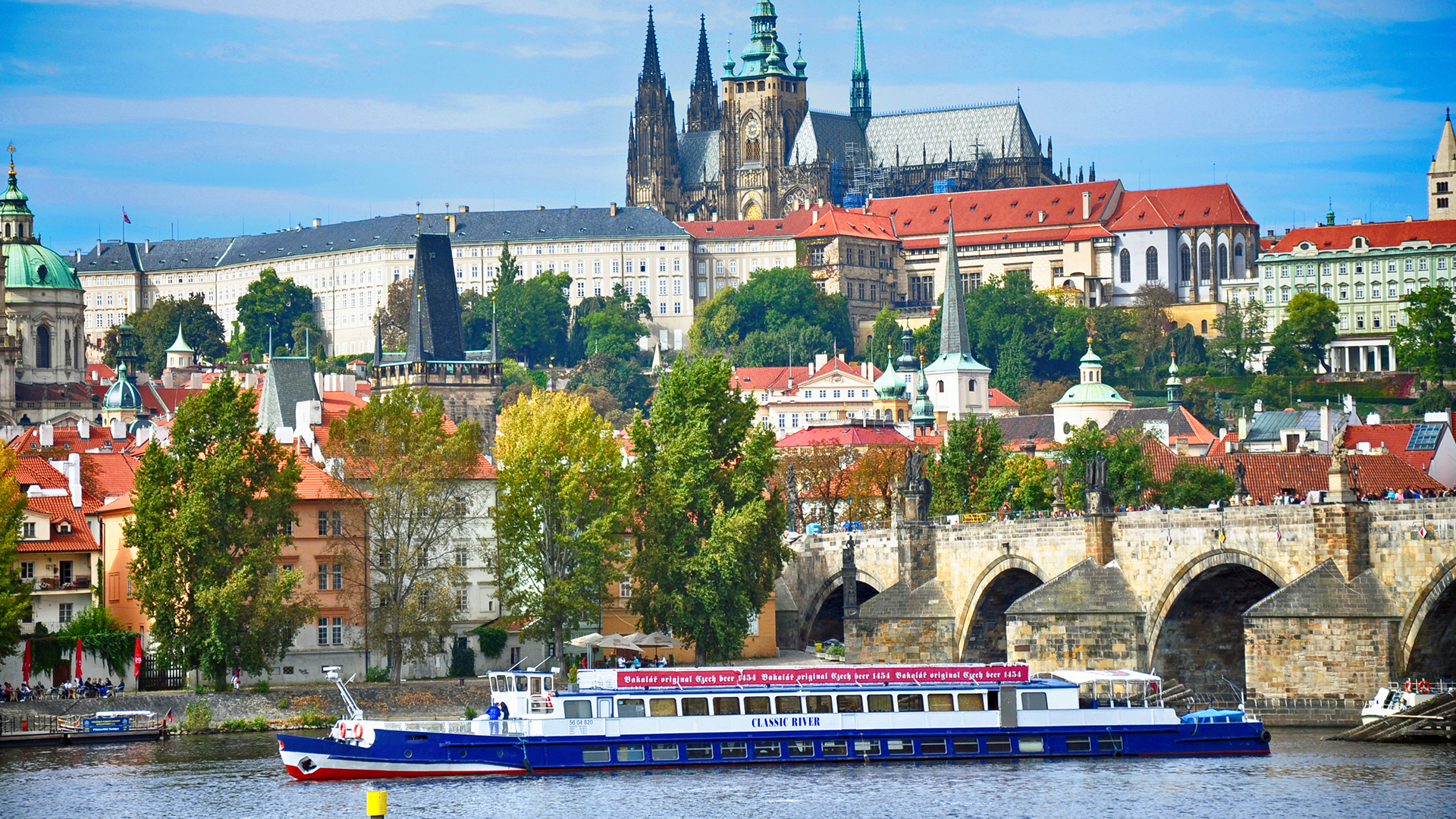
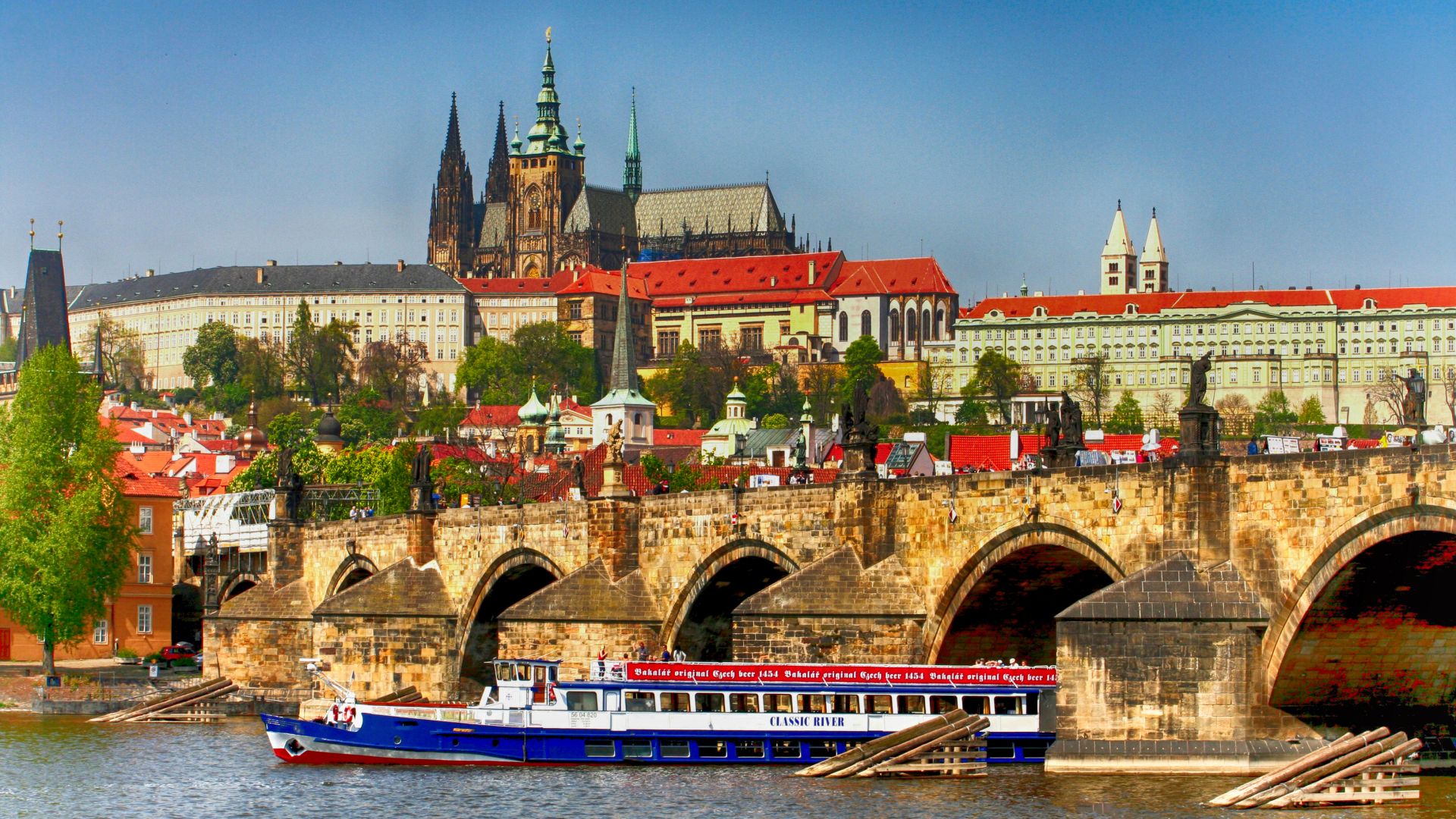
Discover Prague from a different perspective and enjoy a unique view of its iconic sights during a panoramic Vltava river cruise. Sail under Charles Bridge, admire Prague Castle, or the elegant dome of the National Theatre – all without rushing and in the comfort of a Prague river boat.
During the cruise, you will be accompanied by an audio guide in headphones, which will introduce you to the historical and cultural context of the places you pass. Enjoy the relaxing atmosphere as you take in the breathtaking views while learning the stories of this fascinating city on your river cruise in Prague.
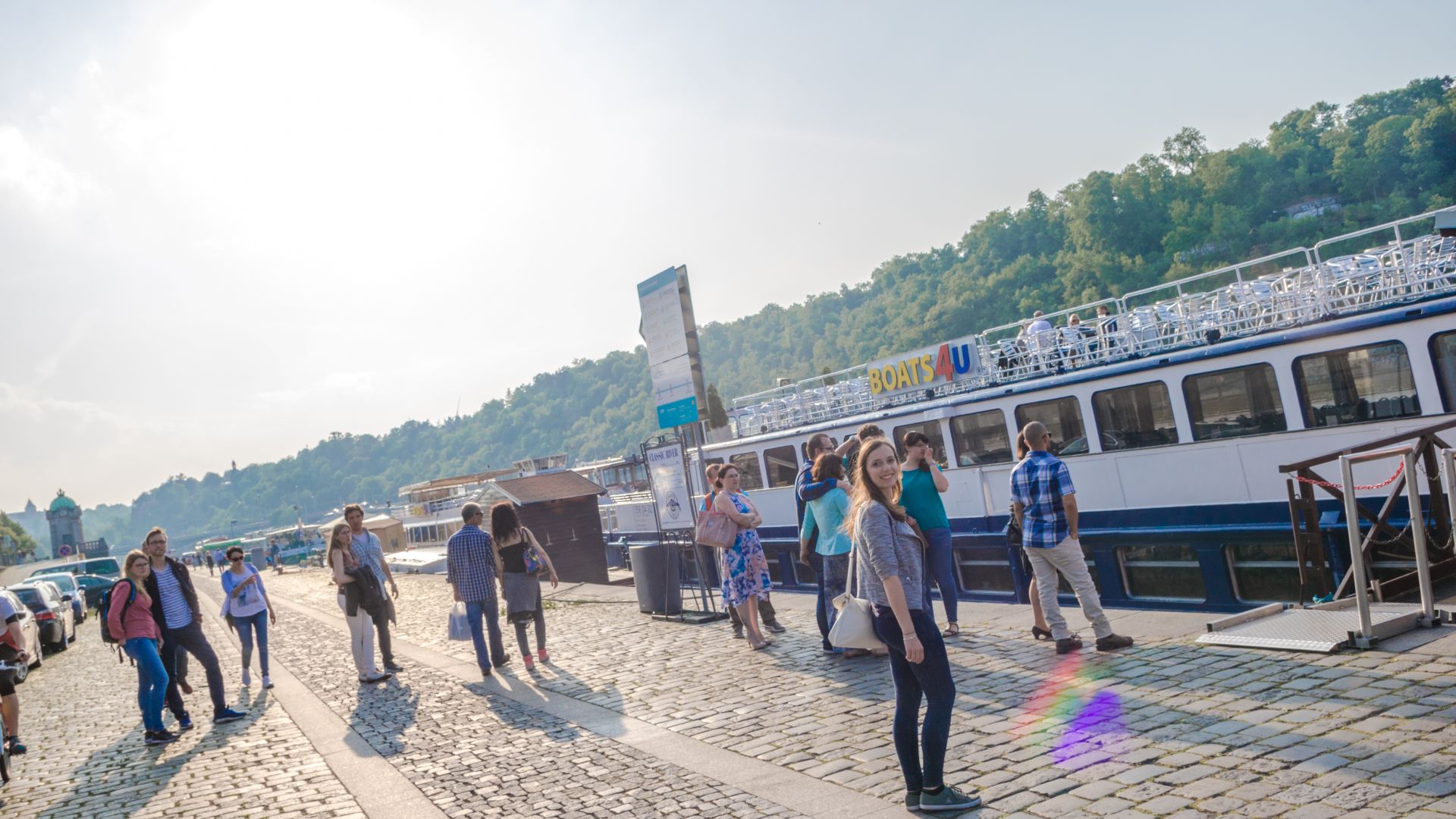
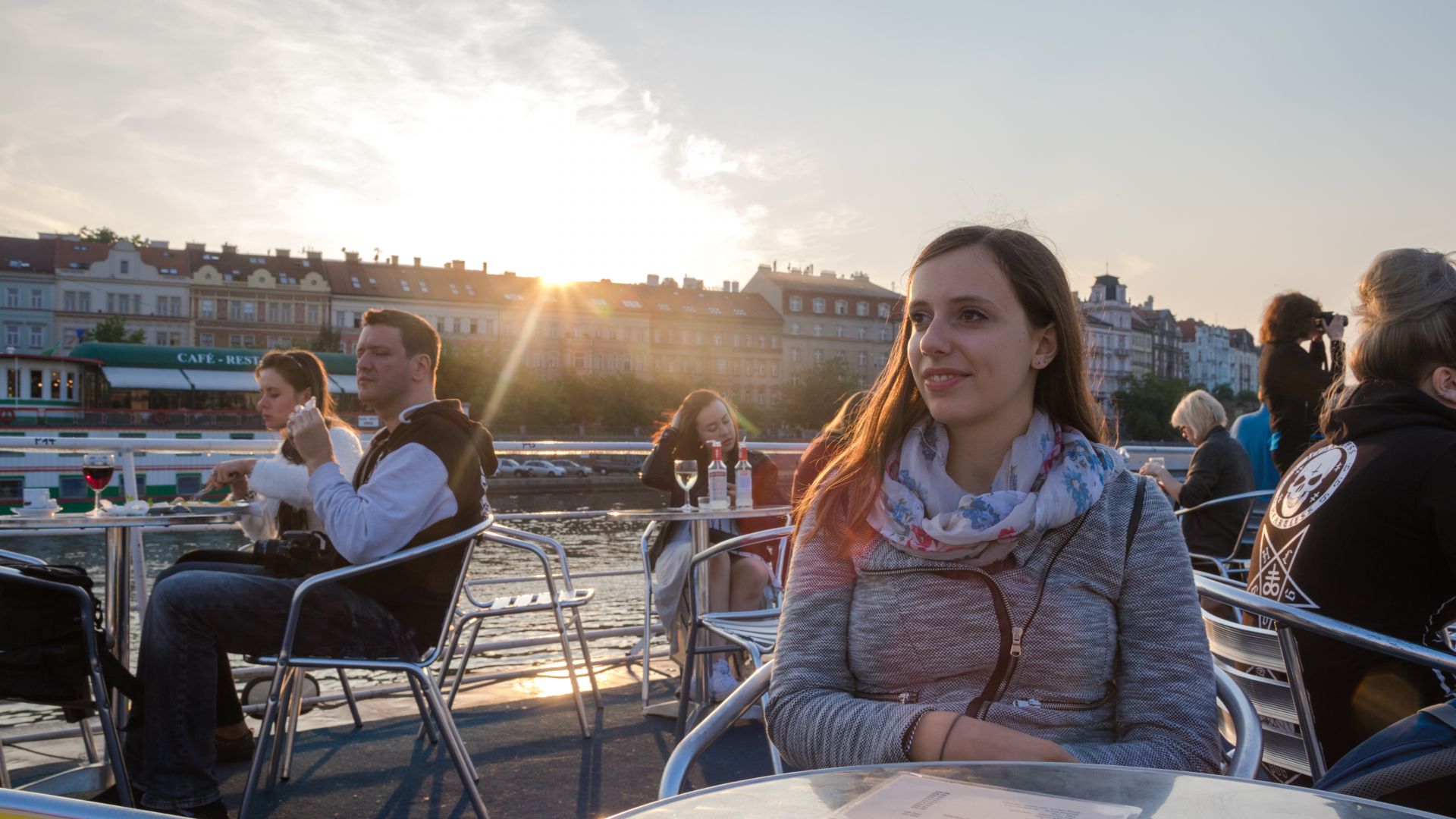
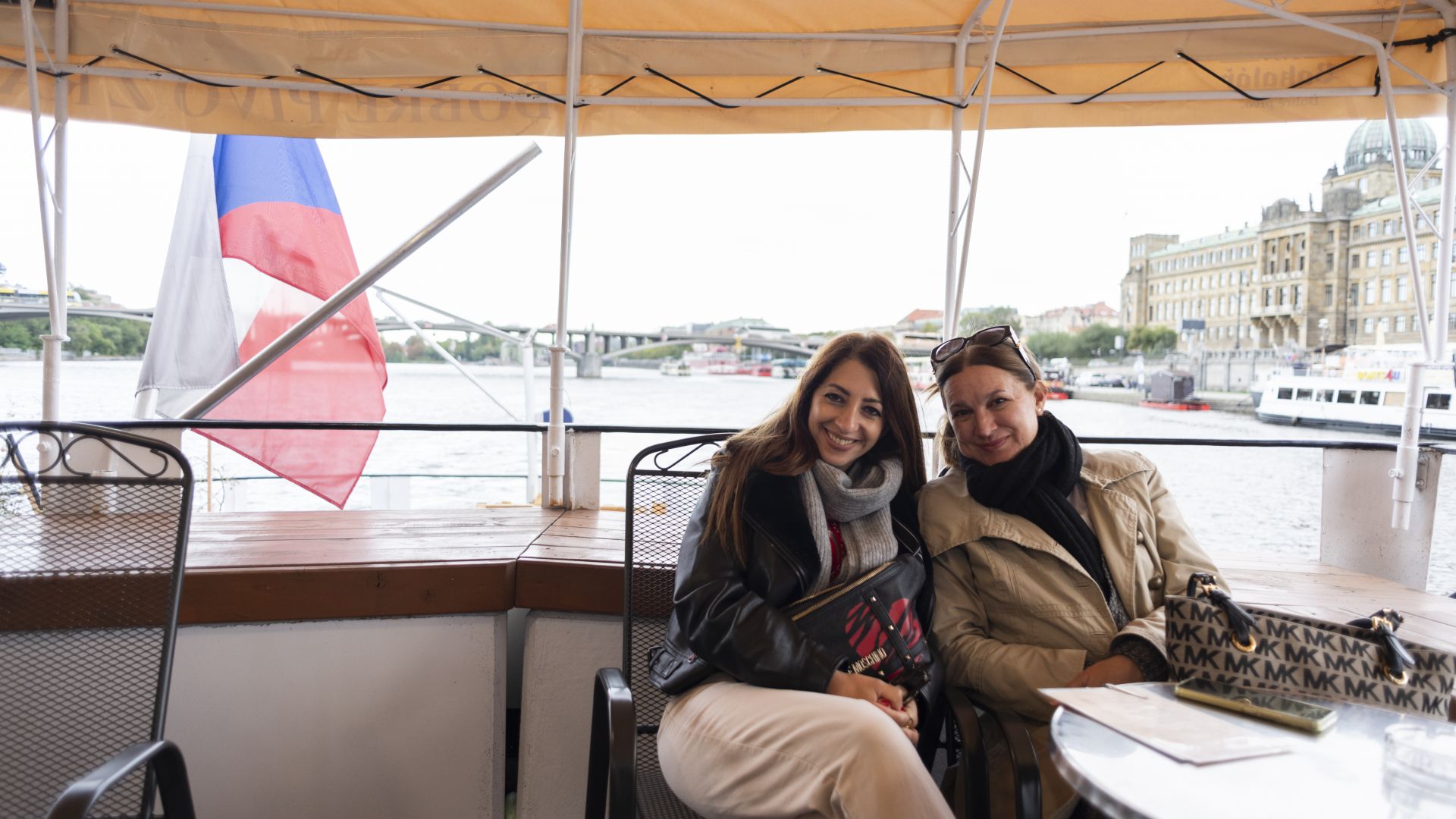
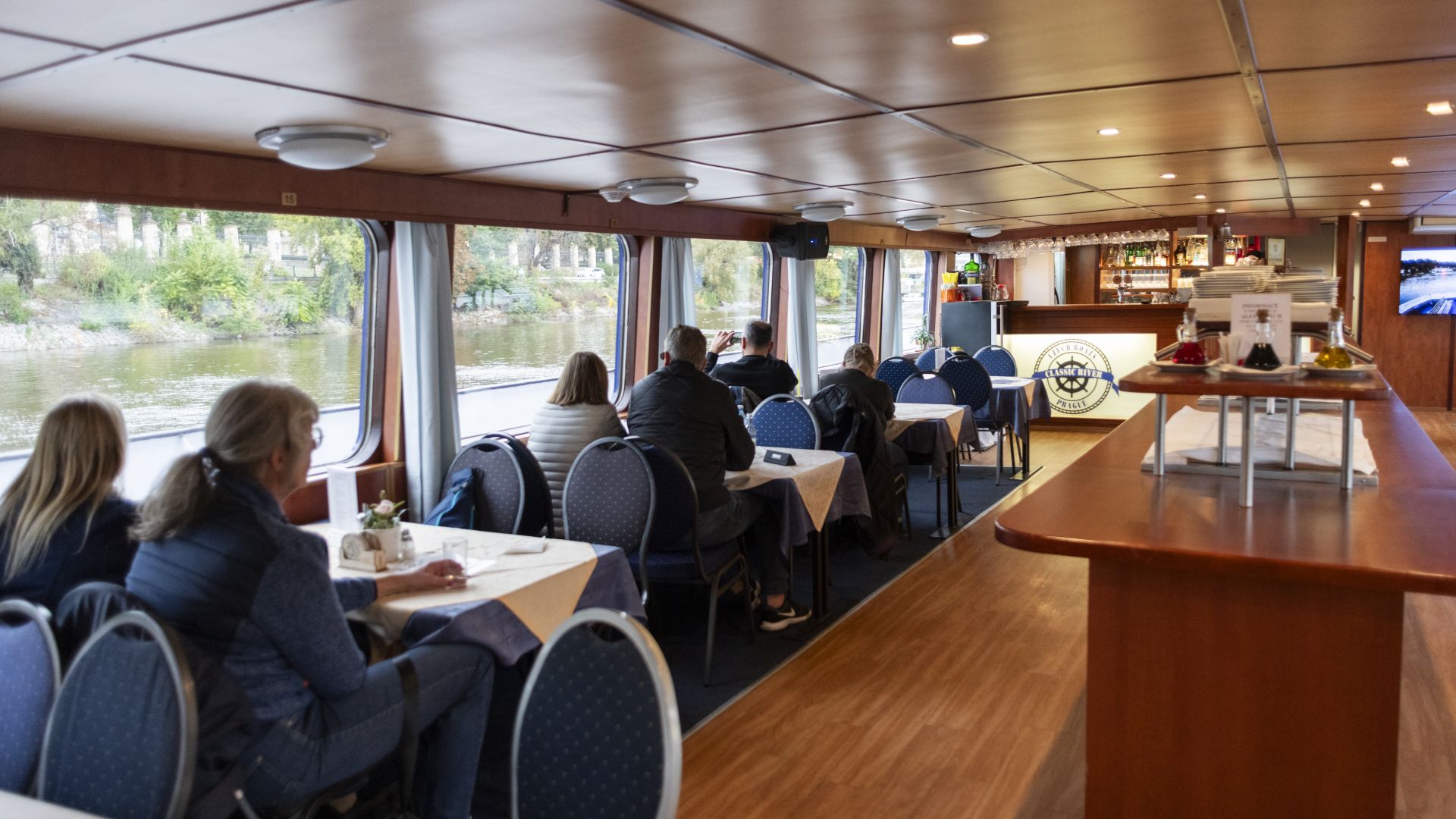
On board, you can enjoy snacks and refreshing drinks from the boat’s bar. Service is also available on the open top deck, where you can enjoy stunning views of the city. If you prefer comfort, you can settle in the stylish indoor saloon, which is comfortably heated in winter and air-conditioned in summer to ensure maximum comfort throughout your Vltava cruise.
This cruise is ideal for anyone who wants to combine exploring Prague with a comfortable and peaceful experience. Whether it’s your first time in the city or you know it well, the view from the Prague river cruise will reveal its beauty in a new light
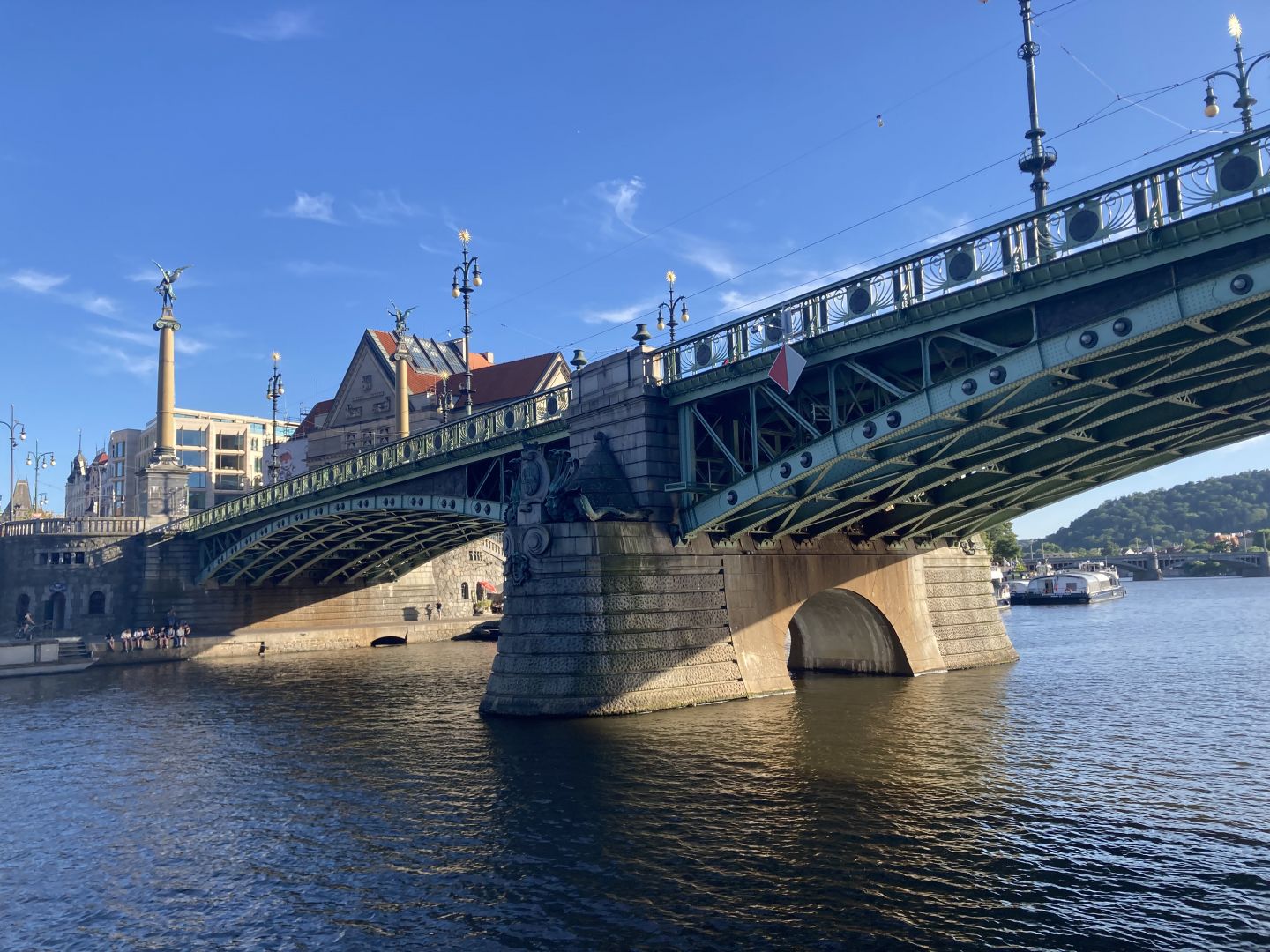
Čechův Bridge bears the name of Svatopluk Čech, a Czech poet of the 19th century. This is the shortest and most ornate Art Nuveau style bridge not only in Prague, but in the whole of the Czech Republic. Thanks to the rich Art Nuveau ornamentation and the materials used to build the bridge, it is a protected technical monument. Adorning the bridge are bronze statues of torch bearers, steel lanterns, granite festoons and six-headed bronze Hydras guarding the symbols of Prague.
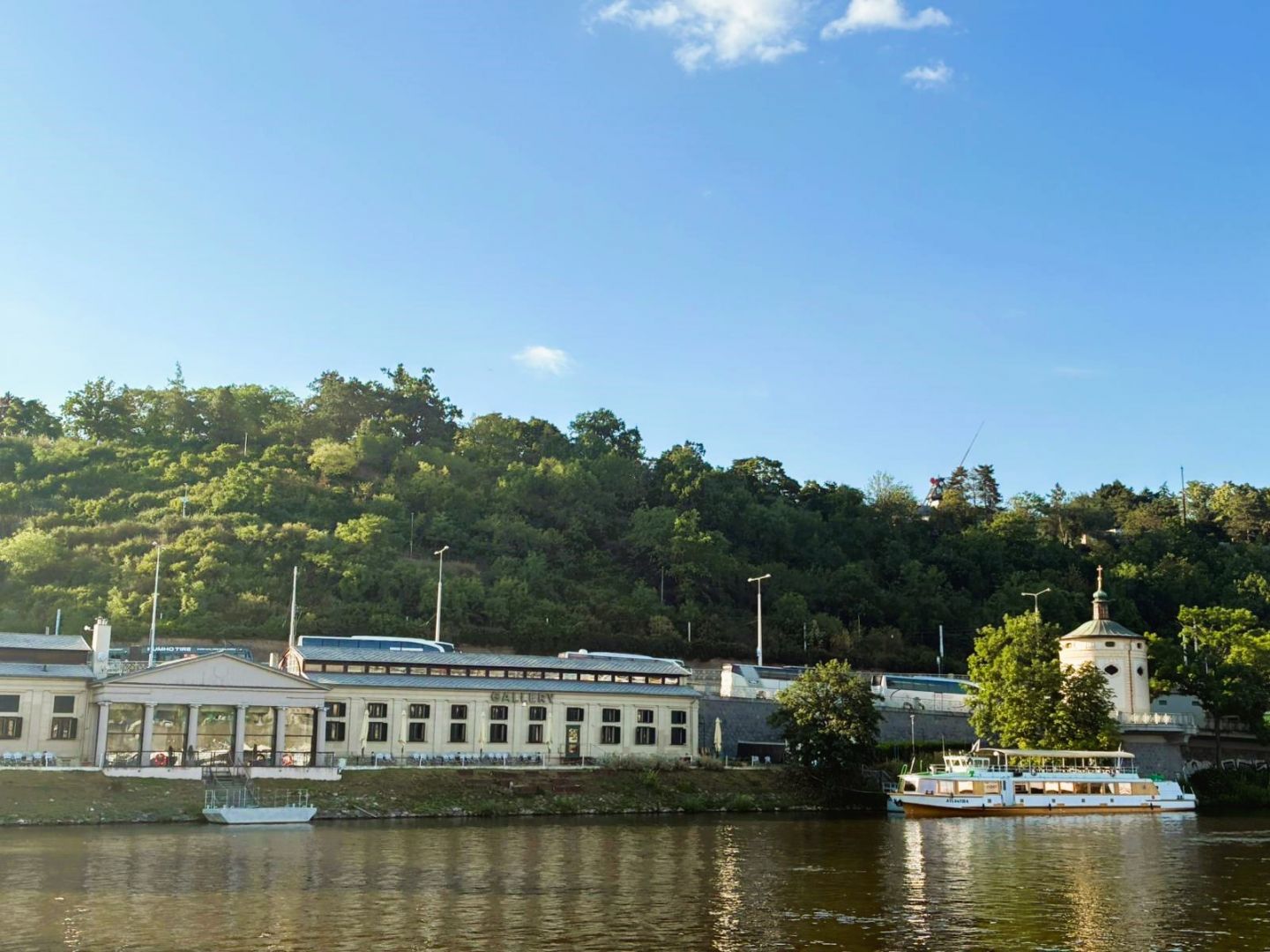
Nn the hill at the Letná Park you can see the Prague Metronome. It is situated at the place of the former biggest sculptural group in Europe, the sculpture of Josef Stalin which had to be taken down on the appeal of Stalin's successor Chruščov in nineteen sixty-two. After that, there was supposed to be the memorial of the liberation of Czechoslovakia by the Soviet army, but it was not implemented. The existing metronome was installed in nineteen ninety two as a symbol of passing time and as a warning reminder of the past.
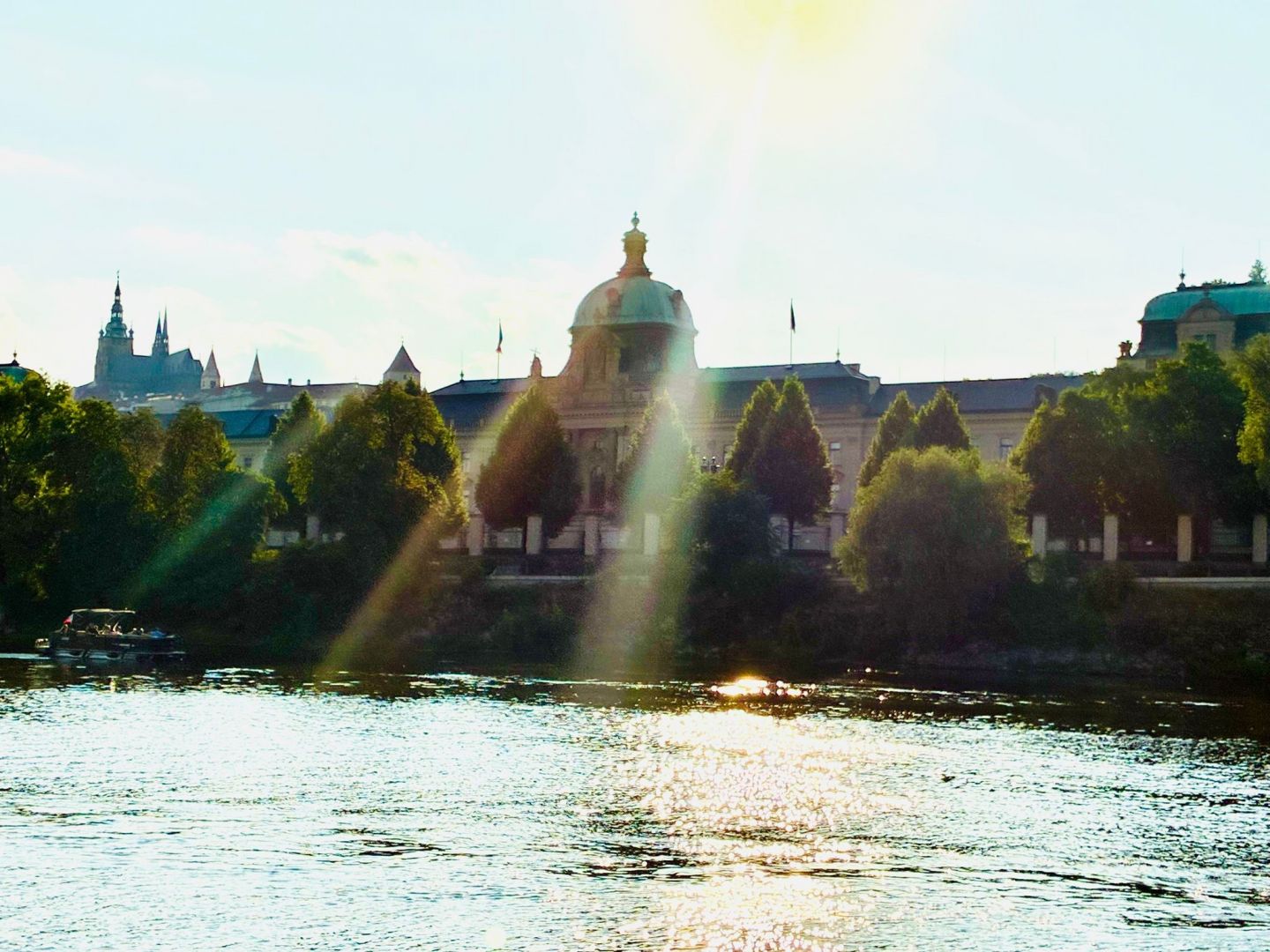
The majestic Neo-Baroque palace on the left bank is called Straka´s Academy or Strakova akademie in Czech. After its completion in 1896 it served as a student residence for the sons of poor Czech aristocratic families. During more than hundred years of its existence it changed its function many times – including the the government seat of the German protectorate. After the Second World War Straka Academy became the official seat of the government of former Czechoslovakia and nowadays it houses also the government of the Czech Republic.
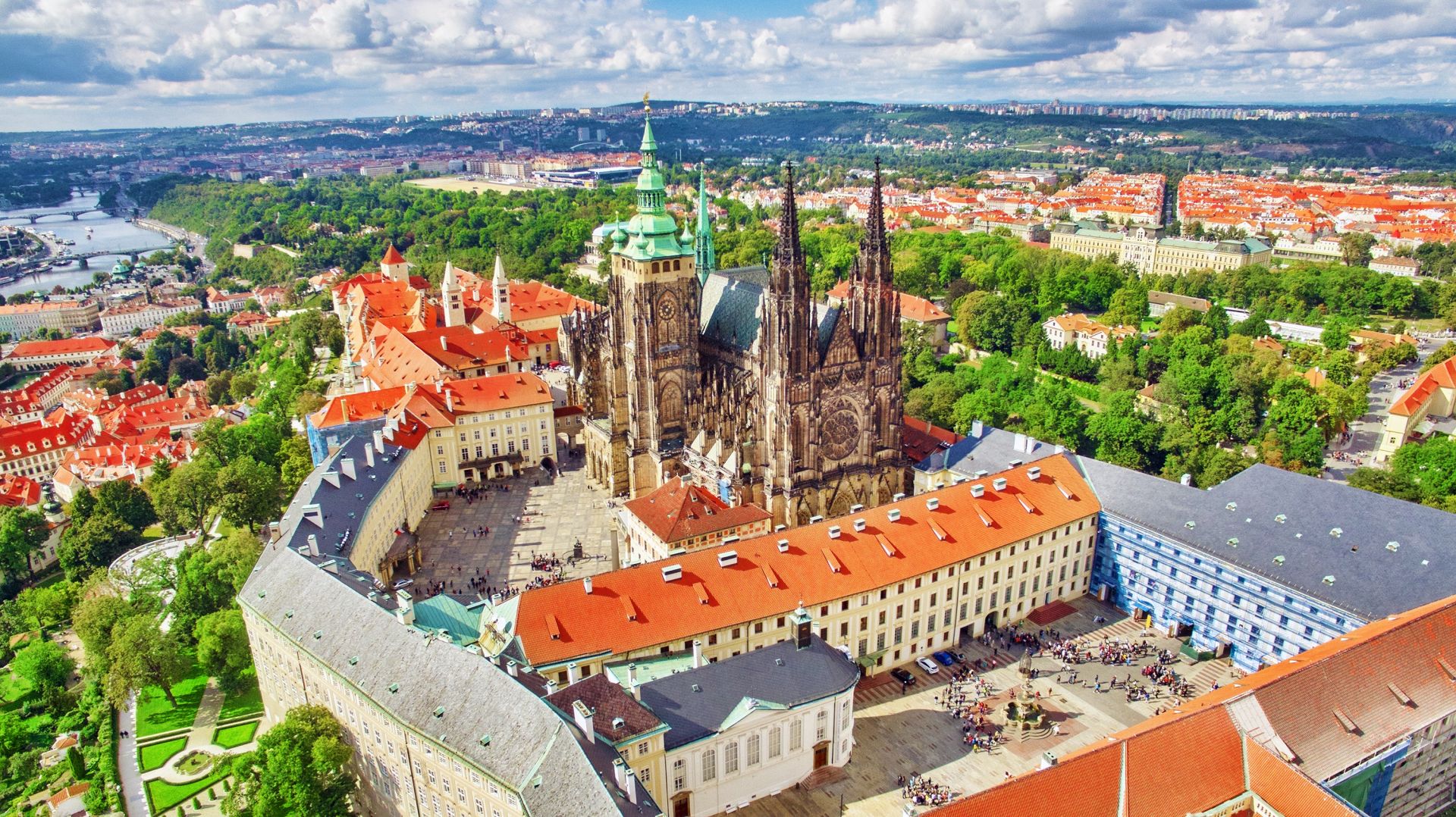
Prague Castle is a monumental symbol of Czech statehood, sure to amaze visitors with its rich historical milestones. During our tour, you will immerse yourself in the fascinating history of the castle and admire St. Vitus Cathedral, the Old Royal Palace, and St. George’s Basilica. This experience is often mentioned among the best Prague Castle tours.
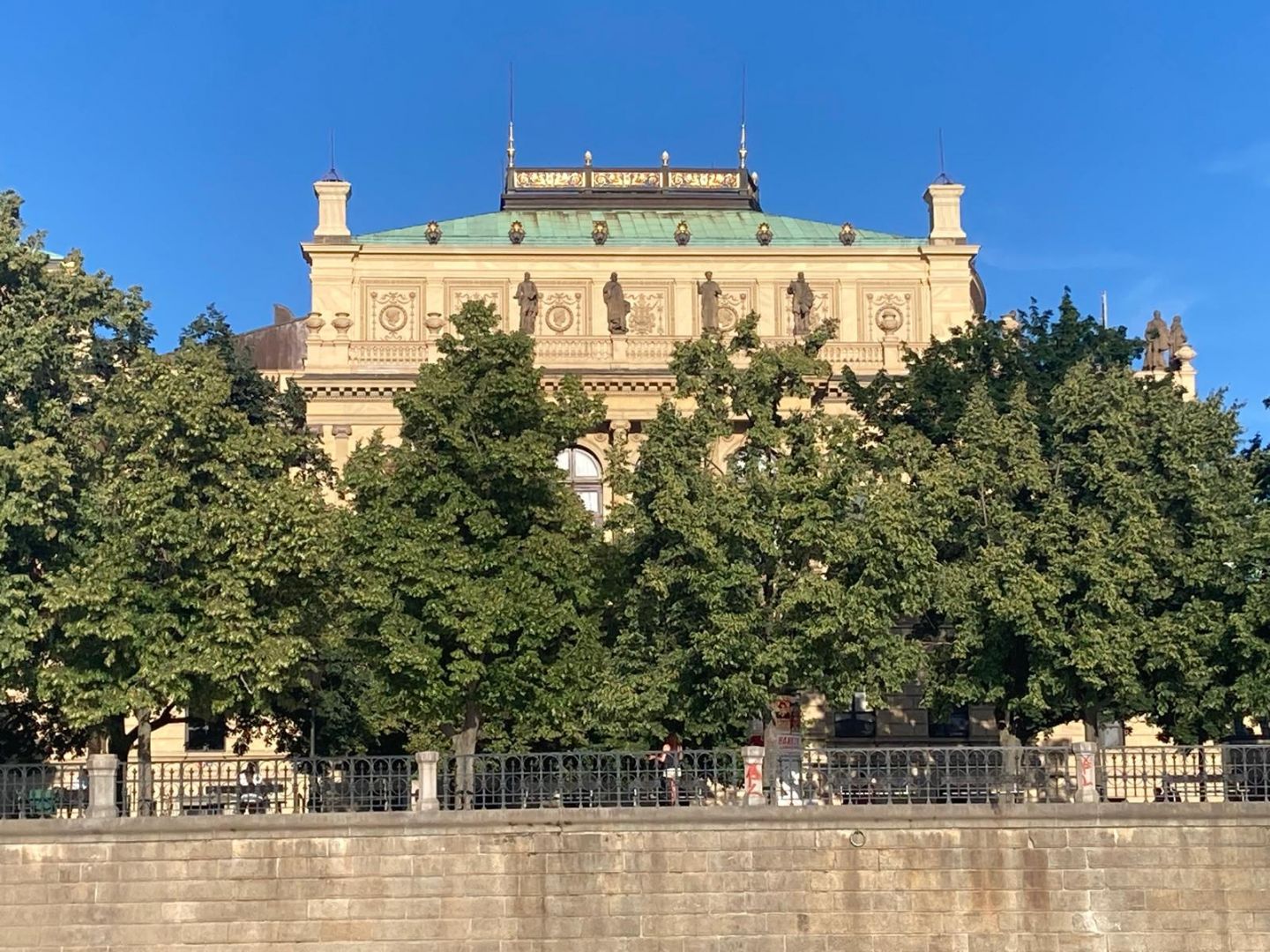
The hard-to-miss, beautiful building on the right bank of the river is called the Rudolfinum. It is one of the most important structures in Prague realized in the 19th century. The palace dates back to1876 and was designed by the same architect who constructed the National Theatre, Josef Zítek. Later called also House of Artists, it served as a music hall and exhibition premises for fine arts. After foundation of the independent Czechoslovakia Rudolfinum, for a decade, became the first seat of our democratic Parliament. Now it's the home of the Czech Philharmonic and the Rudolfinum Gallery. Each May the music festival “Prague Spring“ takes place here. This section of the city is also known for the concentration of schools found here: the Faculty of Arts of Charles University and the Faculty of Nuclear Sciences of the Czech Technical University, the Prague Conservatory, the High School for medical nurses, the Academy of depicting fine Arts and, at the iron Čechův bridge, the Faculty of Law.
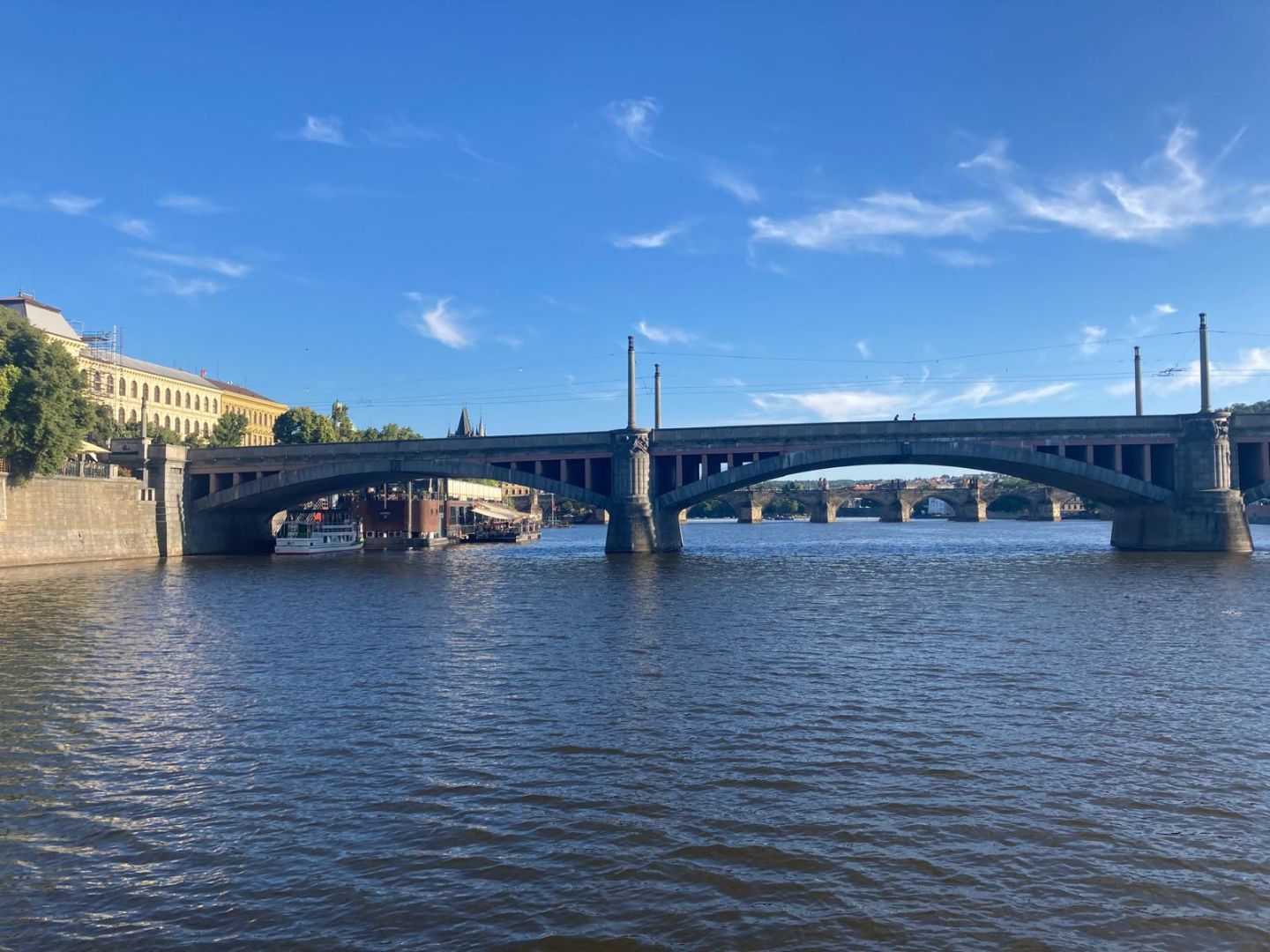
Mánesův Bridge was build in the place of the former iron footbridge.The today´s structure was started during the 1st World War and now it bears the name of the important Czech painter Josef Mánes. His statue can be found at the foot of the bridge.The bridge serves automobiles a tramways and is also havily used by pedestrians, as it joins the Old Town (Jan Palach Square) and the Lesser Town (Klárov), from where it is just a short walking distance to the Old Castle Stairs leading up to Prague Castle.
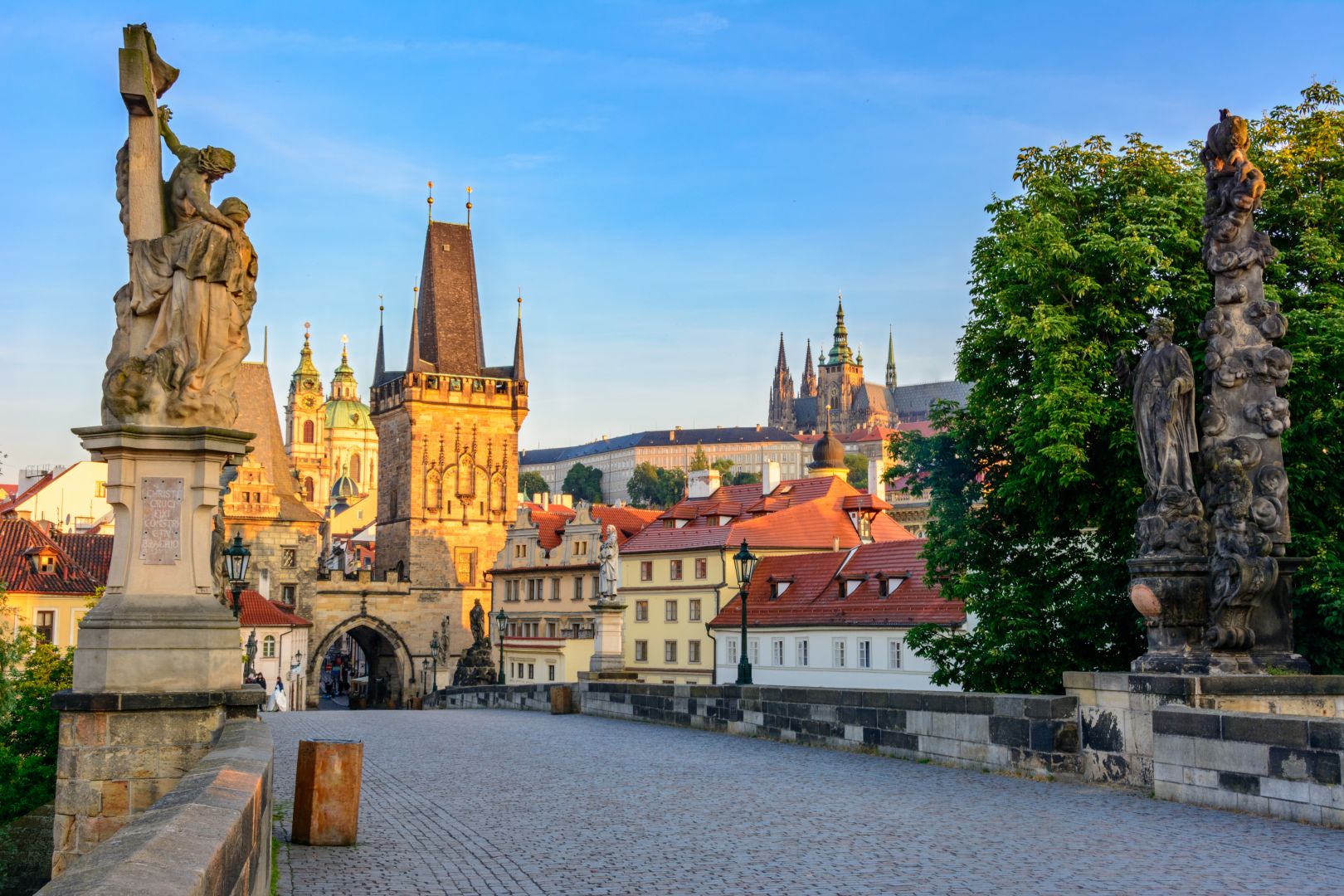
Charles Bridge, an iconic symbol of Prague, connects the Old Town with the Lesser Town across the Vltava River. This Gothic gem, decorated with 30 Baroque statues and a sculpture, captivates visitors with its majesty and rich history. Fascinating stories about the bridge's founding, its length and other interesting facts will be engagingly told by our experienced Prague guide as you admire the imposing Old Town Bridge Tower, a Gothic jewel that has guarded the entrance to the bridge since the 14th century.
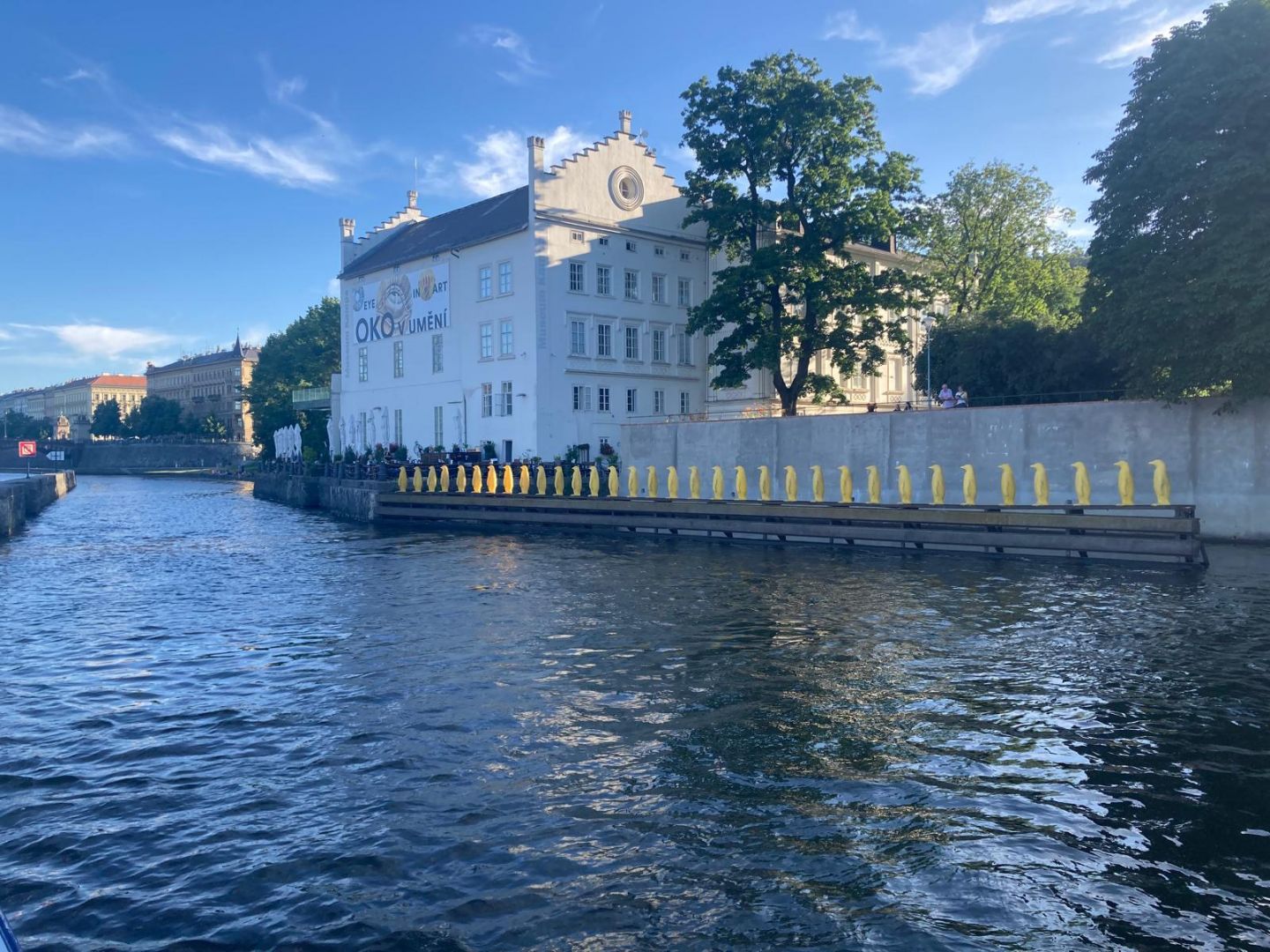
Kampa is an artificially created island on Vltava in Lesser Town. It is separated from the left bank by Čertovka – The Devil´s stream, a man made millrace that starts at the next bridge and the estuary of which you will see after passing back through Charles Bridge. From Kampa Island you can trespass the narrow canal, called also Little Venice, on a small footbridge and you would see the only and the last preserved mill there, with a moving wheel. Nearby there is John Lennon´s Wall with the imaginary grave of the famous Beatle. The biggest of the buildings on Kampa, with the windows looking towards the river, is Lichtenstein Palace – a hotel accommodating only VIPs, mostly the official guests of Prague and of the Czech Republic.
An unforgettable experience with Premiant City Tour